How to Deter Burglars from Your Yard: Complete Outdoor Home Security Guide
Securing your home begins at the edge of your property. Understanding how to deter burglars from your yard requires a multi-layered approach that combines visibility, motion detection, physical deterrence, and psychological barriers. Intruders generally look for dark, unmonitored properties where they can operate undetected. By addressing vulnerable blind spots, you significantly reduce the risk of unauthorized entry.
Understanding Yard Vulnerabilities and Burglar Behavior
!Understanding Yard Vulnerabilities and Burglar Behavior
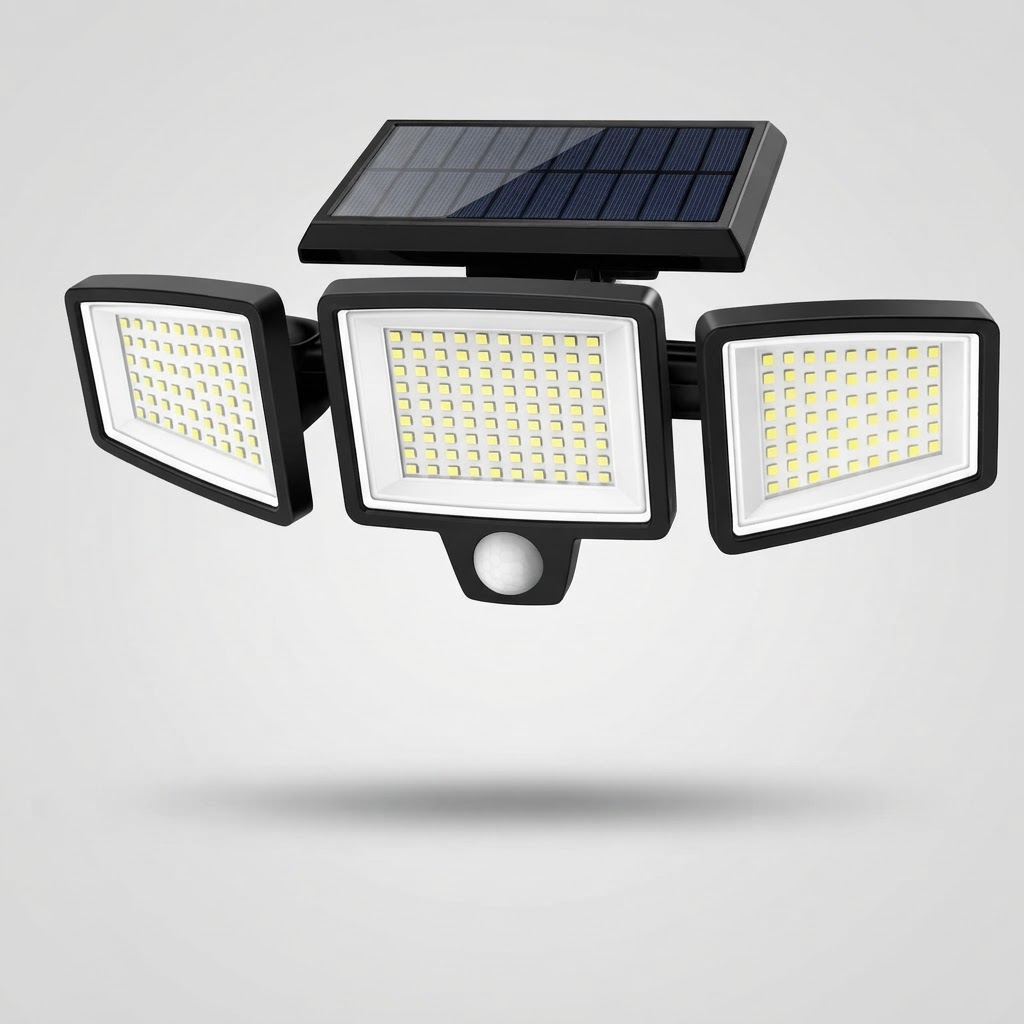
Most opportunistic property crimes occur when homes display clear security gaps. Overgrown bushes near windows, dark side passages, unlit backyards, and unmonitored gates invite unwanted attention. Burglars prefer quick, quiet access. When a perimeter is difficult to cross or highly exposed to neighbor observation, criminals move on to easier targets.
To effectively safeguard your yard, walk your property boundaries at night. Identify shadow zones near entryways, garages, and sheds. Take note of places where someone could hide concealed from street view. Eliminating these dark cover points forms the foundation of any perimeter safety plan.
Strategic Illumination: Eliminating Shadows Around Entry Points
!Strategic Illumination: Eliminating Shadows Around Entry Points
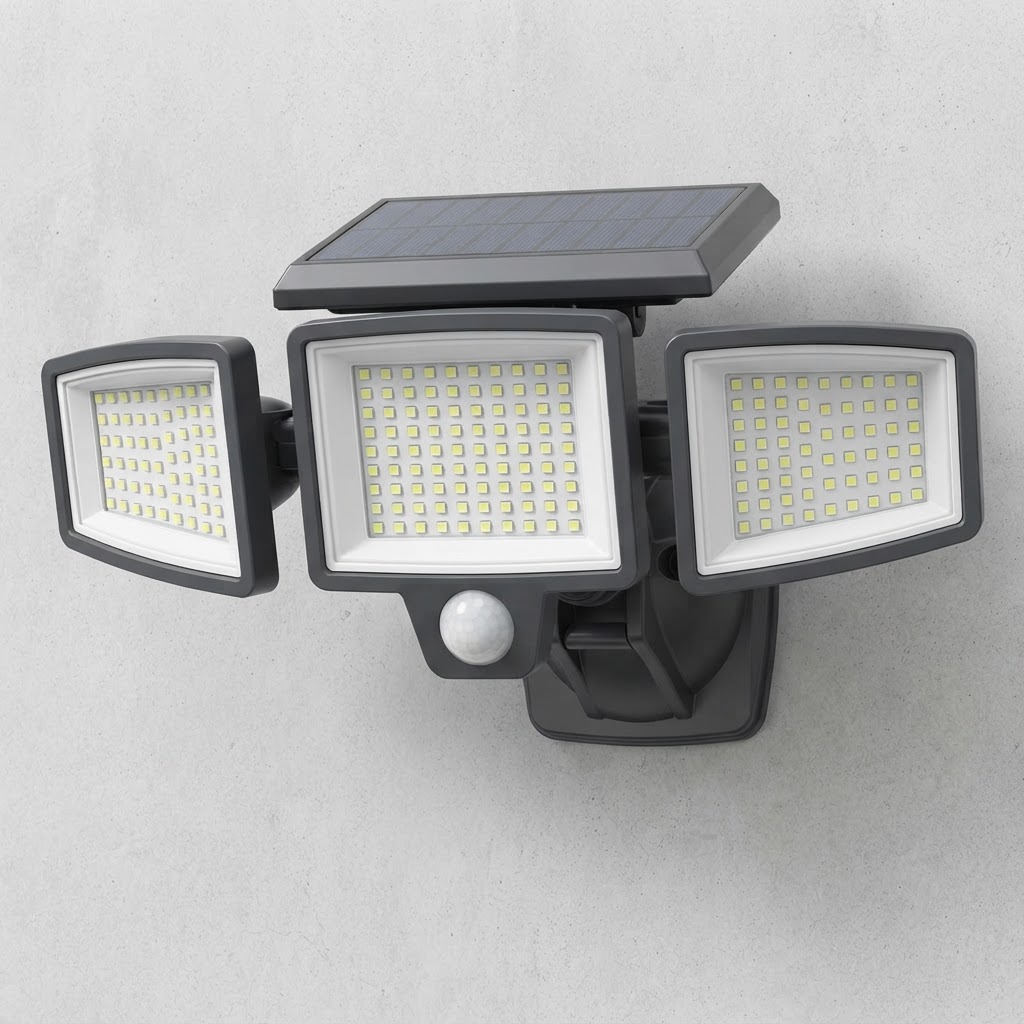
Lighting is one of the most cost-effective methods to protect outdoor space. However, leaving continuous low-grade lights on everywhere is not always ideal. Strategic illumination targets high-risk entry points—such as back doors, patio sliders, and side gates—to expose potential intruders immediately.
Bright, clear lighting simulates active occupancy and removes hiding places. Utilizing high-efficiency fixtures like the Solar Motion Sense Light provides ultra-bright illumination up to 2500 lumens at 6500K daylight white across outdoor areas. Bright daylight illumination startles intruders, forcing them to retreat before reaching your home's entry doors.
Implementing Motion Detection for Perimeter Protection
While steady ambient lighting is beneficial for general safety, sudden changes in light level create strong psychological deterrence. Passive Infrared (PIR) motion sensors actively scan for moving thermal patterns, illuminating automatically when someone approaches.
For optimal coverage, install sensors covering major movement corridors. Fixtures equipped with 3 adjustable light heads can extend beam coverage up to a 270° wide angle and detect movement up to 26 ft away. When an unexpected visitor steps into your driveway or yard boundary, immediate activation eliminates cover instantly. Using fixtures with multiple operational settings—such as Motion Sensor High Light, Motion Sensor Low Light, or Constant High Light—allows homeowners to customize perimeter lighting based on specific property needs.
Physical Barriers and Landscaping Security Tactics
Outdoor security extends beyond electronics. Defensive landscaping works alongside security fixtures to form physical impediments:
- Prune Lower Tree Branches: Lift canopy lines above 7 feet to preserve clear sightlines from windows.
- Trim Foundation Shrubs: Keep bushes under 3 feet near ground-floor windows so intruders cannot hide behind foliage.
- Secure Fences and Gates: Ensure perimeter gates stay locked with outdoor-grade hardware.
- Tidy Property Borders: Remove tools, ladders, or furniture that could be used to scale fences or access upper levels.
Choosing the Right Security Lighting System
Selecting hardware for outdoor exposure demands weather resistance and reliable power. Hardware rated at IP65 waterproof standard resists heavy rain, snow, and extreme weather, ensuring long-term function without electrical failure. Furthermore, wireless solar-powered equipment equipped with a built-in 2000mAh rechargeable battery eliminates complex high-voltage wiring and continuous energy expense. Installing fixtures at recommended mounting heights of 6.5–8 ft (2–2.4 m) maximizes sensor accuracy while keeping panels exposed to direct sunlight for consistent charging.
Related in this cluster
- How to Position Motion Sensor Lights to Prevent Break-Ins
- 7 Effective Landscaping and Lighting Strategies to Protect Your Property
- Solar vs Hardwired Motion Lights: Outdoor Security Compared
- Why Solar Motion Sense Light is the Ideal Backyard Deterrent
- Solar Security Lighting FAQ: Coverage, Sensors, and Durability
- Evaluating 2500LM Solar Lighting for Farm, Barn, and Perimeter Safety